

Veterinary Behaviour Consultations
The first step in understanding why your dog is behaving the way they are.
What is a Veterinary Behaviour Consultation?
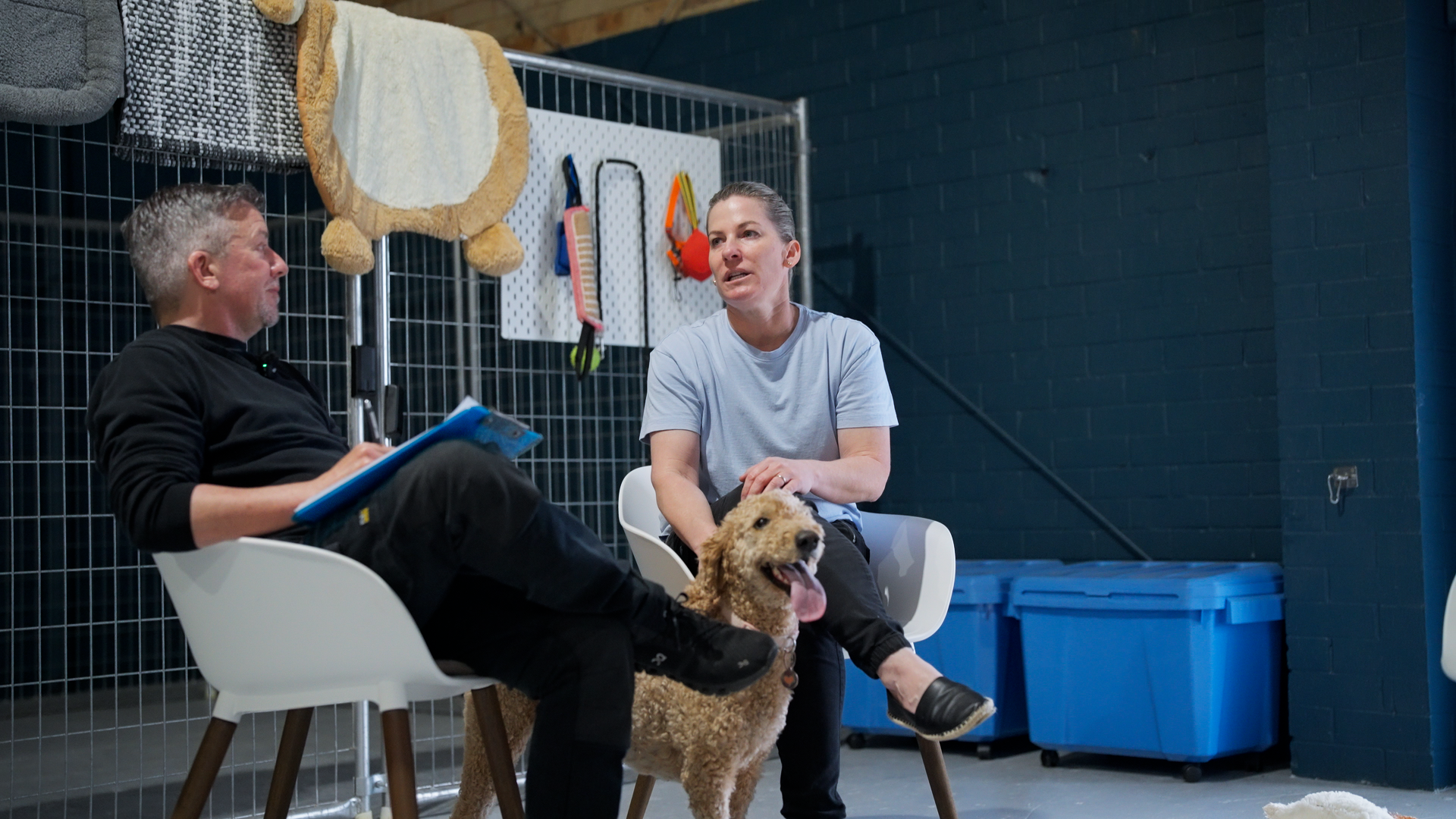
A Veterinary Behaviour Consultation is the first and most important step in understanding why your dog is behaving the way they are. It’s about drilling down into the core issues, exploring your goals, and creating a clear plan forward.
As a Behaviour Veterinarian, every assessment combines medical knowledge + behavioural science + practical training expertise. This allows us to create a plan that addresses both the behaviour itself and the root cause behind it — whether it’s driven by fear, anxiety, frustration, or an underlying medical issue.
What we assess
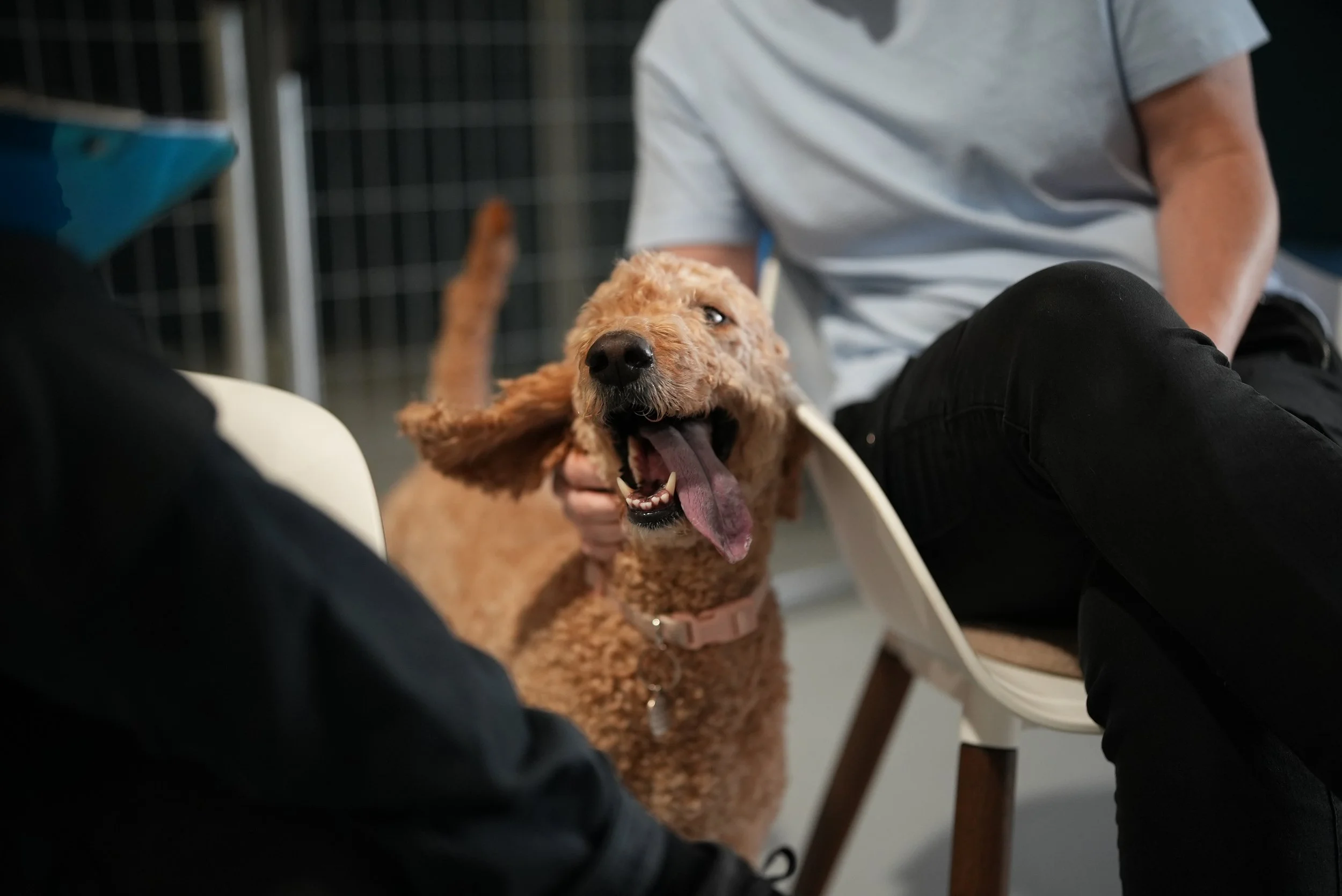
Your consultation explores every part of your dog’s world, including:
Full behaviour and medical history
Lifestyle, environment, and daily routine
Observations of body language and emotional patterns
Triggers, stress responses, and coping ability
Your goals and what your “dream outcome” looks like
A behaviour consultation is ideal for:
Dogs referred by veterinarians for anxiety, aggression, or complex behaviour
Dogs referred by trainers for issues beyond standard training
Owners wanting a clear, evidence-based understanding of their dog
Families needing clarity before starting training or considering medication
Anyone unsure where to begin or why the behaviour keeps getting worse
Who is This For?
What You Gain
A Veterinary Behaviour Consultation gives you:
Clear answers: You finally understand what’s happening and why.
Direction and structure: A logical, step-by-step pathway.
Professional insight: A plan that combines medical, behavioural, and practical training expertise.
Next steps that make sense: A clear understanding of what comes next.
Following your assessment, you’ll receive a personalised, step-by-step plan. For most clients, the next step is to implement this plan with ongoing support through one of our Structured Training Programmes.
These programmes are designed to take the guesswork out of behaviour modification. We break down your plan into manageable, week-by-week steps—with ongoing support, video guidance, and regular check-ins to ensure you stay on track and achieve lasting change.
What Happens After Your Consultation?

Medication (When Needed)
In some cases, medication may be considered to support the behaviour plan — particularly when a dog is too anxious or over-aroused to learn effectively.
Medication is never the first choice, never used alone, and not commonly recommended for younger dogs.
The focus remains on:
Behaviour modification
Environmental change
Emotional stabilisation
Training and lifestyle adjustments
Medication is used only as a supportive tool, with careful monitoring to ensure benefits outweigh any side effects.
Behaviour Issues We Address
-
Reactivity on Walks
Lunging, barking, pulling, or freezing when your dog sees people, dogs, or movement. Whether rooted in fear, frustration, or overwhelm, we help you understand the triggers and create calm, enjoyable walks.
-
Aggression & Safety Concerns
Growling, snapping, biting, or escalating conflict toward people, other dogs, or within the household. We take a calm, professional, judgment-free approach to help restore safety and confidence for everyone.
-
Separation Anxiety
Crying, barking, destruction, escape attempts, or panic when left alone. We focus on stabilising emotions and building a gradual plan your dog can actually cope with, so you can leave home with peace of mind.
-
Fear & Anxiety
Noise sensitivity, fear of visitors, handling issues, startle responses, or generalised anxiety. We focus on understanding why your dog is fearful so fear isn't just masked—it's resolved at the root.
-
Resource Guarding
Protecting food, toys, bones, beds, space, or people. From mild guarding to serious incidents, we help you understand the emotional drivers behind the behaviour and rebuild harmony and trust at home.
-
Over-Arousal & Inability to Settle
Dogs who escalate quickly, jump, bark, mouth, or go from 0–100 in seconds. We help stabilise emotions, build coping skills, and create structure so your dog can learn to relax and make better choices.
-
Multi-Dog Household Tension
Growing friction, competition, guarding, or conflict between dogs at home. We help you understand the dynamic, reduce risk, and rebuild a peaceful environment where all your dogs can coexist calmly.
-
Destructive Behaviours
Chewing walls, furniture, or doors, digging, shredding bedding, or breaking out of crates. We identify whether this stems from stress, boredom, anxiety, over-arousal, or unmet needs—and address the root cause.
Veterinary Behaviour Conditions
As a veterinary behaviourist, we also assess and manage complex medical-behavioural conditions that require both clinical expertise and behavioural intervention, including:
Canine Cognitive Dysfunction (dementia) — disorientation, pacing, restlessness at night, increased anxiety, toileting regression, or changes in interaction
REM Sleep Behaviour Disorder — vocalising, paddling, or aggressive movements during sleep
Psychogenic Polydipsia — compulsive water drinking driven by anxiety or stress
Seizure-related behaviour changes — pre- or post-ictal behavioural disturbances
Pain-related aggression or avoidance — behaviour changes linked to underlying medical conditions
Illness-related behaviour changes — sudden aggression, withdrawal, anxiety, or other behavioural shifts linked to medical conditions
Medication-induced behaviour changes — assessing and managing side effects of medical treatments
If your dog's behaviour has changed suddenly, worsened despite training, or seems linked to a medical condition, a veterinary behaviour assessment is essential.
Not sure where your dog fits?
Most behaviour concerns overlap — and that’s completely normal. If you’re unsure what category your dog falls into, a Behaviour Assessment is the best place to start.
.