

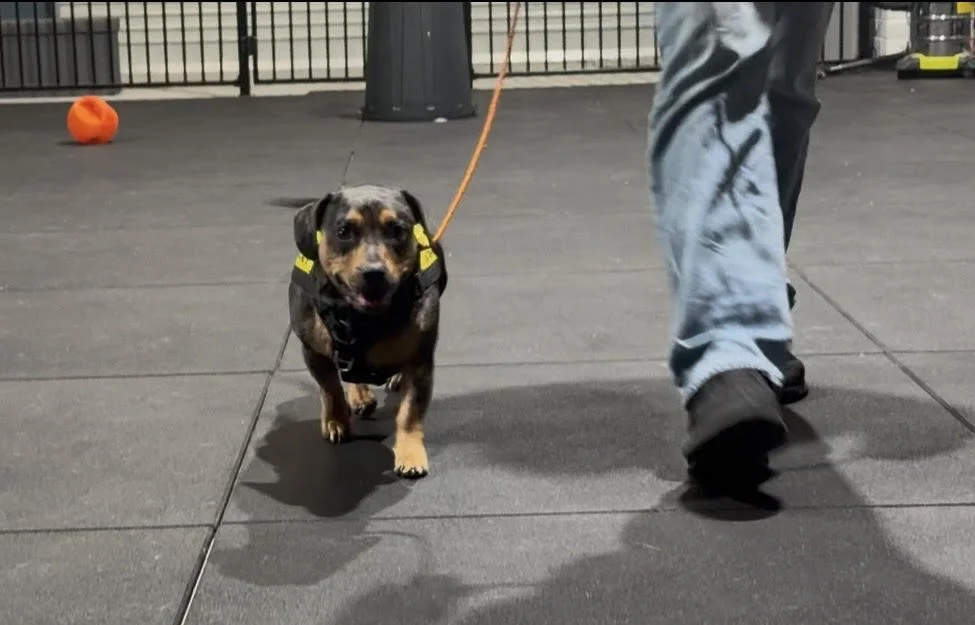
Initial Behaviour Assessment & Treatment Plan
The starting point for all behaviour and training work.
Whether you are dealing with reactivity on walks, aggression in the home, separation anxiety, a dog that simply cannot settle, or other behaviour problems, the solution never starts with generic training.
It starts with understanding exactly what is going on.
Because signs like reactivity, aggression, and anxiety are not specific diagnoses — they are non-specific signs that can have multiple underlying causes. And until we know why your dog is behaving this way (whether it is driven by fear, frustration, pain, genetics, learned behaviour, or other factors), any training we do is just guessing.
That is why the Initial Behavioural Assessment & Treatment Plan is the gateway for every dog we work with at Pet Logic. Before we step onto a training field or work on behaviour modification, we need to assess your dog, understand your goals, evaluate the environment, and build a plan that will actually work.
What to Expect During The Assessment
Prior to your appointment, you will receive a comprehensive questionnaire. This gives me detailed information about your pet including their prior history, lifestyle, and management factors — so we can make the most of our time together during the consultation.
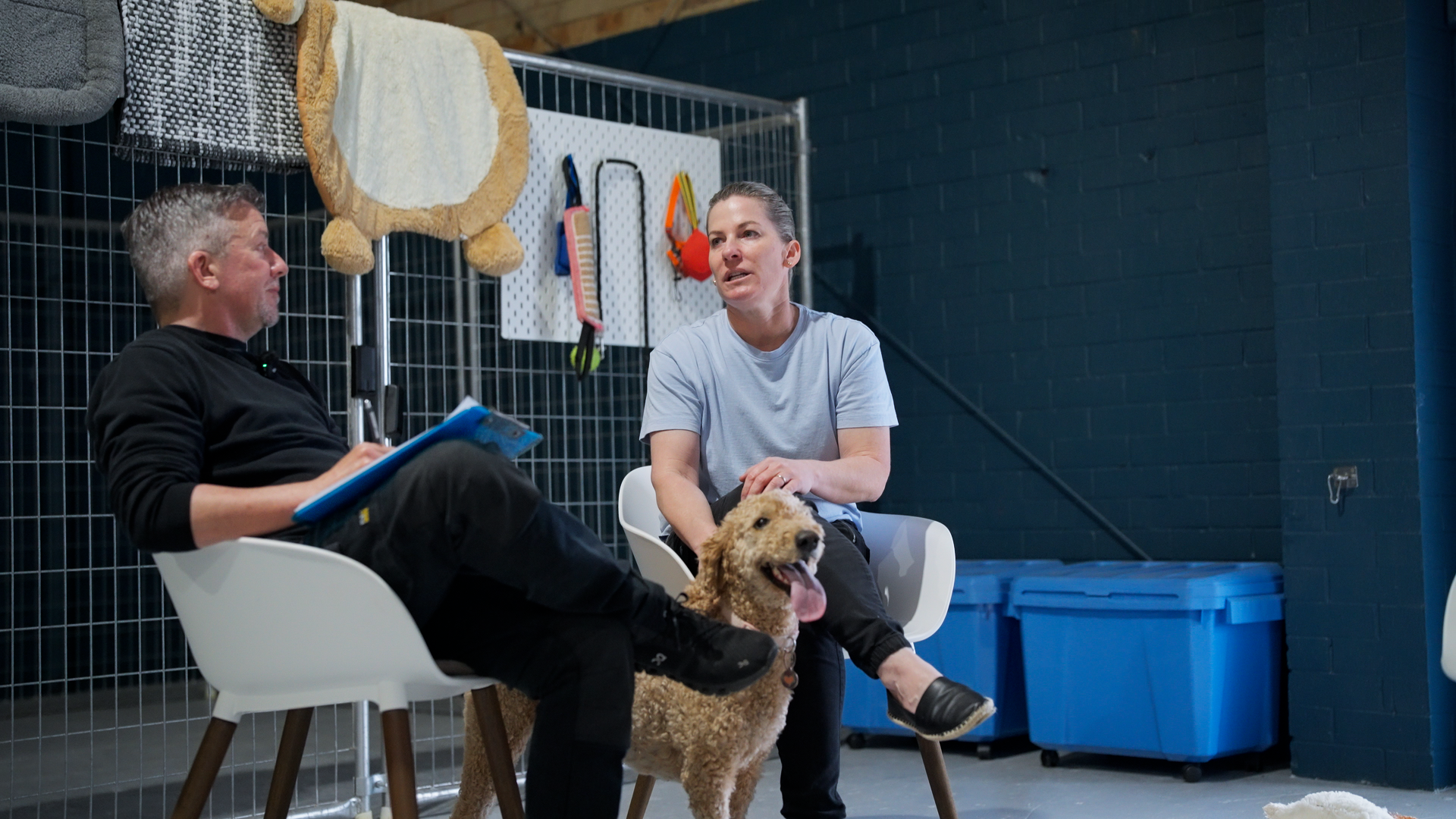
During the consultation, the assessment begins immediately. I will spend time observing your dog — how they interact with the environment, what coping strategies they use, how they manage to down-regulate themselves, and whether they are able to settle. We will also talk through your dog's history, their daily routine, and the specific incidents or reasons that led you here.
From there, we build the plan together. I bring the veterinary and behavioural expertise; you bring the knowledge of your dog and your home. This is a genuinely collaborative process — there needs to be honest engagement from you about what you are comfortable with and what you are realistically able to do. A plan only works if it is actually doable. After the consultation, I will write up the treatment plan and send it to you.
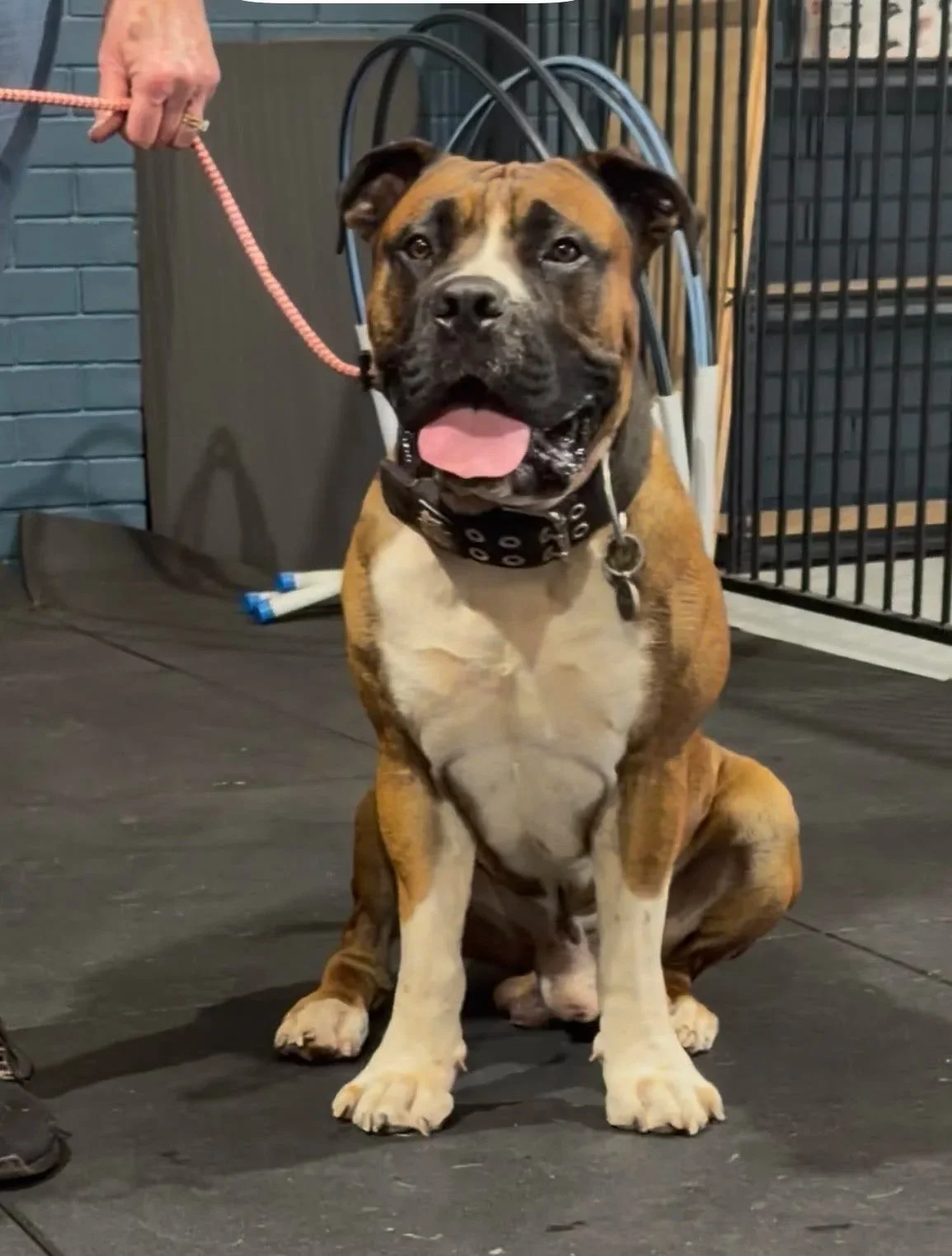
By the end of this assessment, you will have three concrete things:
1. A Clear Diagnosis
You will understand why your dog is doing what they are doing. No more guessing, and no more conflicting advice from the internet.
2. An Honest Prognosis
Not every behavioural problem can be fully resolved, and I will not pretend otherwise. What I will give you is a realistic picture of what is achievable for your dog — taking into account their breed, age, history, health, environment, prior learning, the length of time they have been doing these behaviours, the amount of reinforcement history, and the ability to manage these behaviours going forward. Sometimes the outcome we are aiming for is full resolution. Sometimes it is significant improvement. Sometimes it is management. Knowing which one you are dealing with means every decision you make from here on is based on reality, not false hope.
3. A Structured Treatment Plan
A clear, step-by-step roadmap outlining what needs to happen next. This will include immediate management and environmental changes (which may include lifestyle, play, exercise, and nutritional changes) to keep everyone safe or to reduce stress. We will generally start some specific behaviour modification exercises, albeit very basic. There may be recommendations for further training, such as 1-on-1 sessions or joining one of our group classes. Occasionally, we may refer out to a trainer who has a specific skill set that we want to encompass within our overall plan. There is also a discussion about whether medical support or further veterinary workup might be beneficial.
What You Will Leave With:
It is important to be clear about what happens in this initial session.
This is not a training session. We will not be "fixing" the behaviour today. We are diagnosing the problem and building the plan.
There is no magic wand. Deep-rooted behavioural issues cannot be resolved in a single hour.
This is not about basic obedience. We are not here to teach your dog basic obedience skills; we are here to teach your dog skills that will address the underlying emotional and psychological drivers of their behaviour.
If you are looking for a quick fix or a trainer who will simply take your dog and return them "fixed," I am not the right person for you.
But if you are ready to understand your dog, follow a structured plan, and put in the work required to create lasting change — then you are exactly where you need to be, and you will have a realistic expectation of what you can achieve.
What This Assessment Is Not:
A Note on Medication
As a Veterinary Behaviour Consultant, I am qualified to assess whether your dog's behaviour has an underlying medical component — whether that is chronic pain, clinical anxiety, endocrine disorders, or a mental or neurological disorder such as canine cognitive decline or sleep disorders. These are things a trainer cannot assess, and they matter more than most people realise.
Where I identify a potential medical contributor, I may recommend further workup with your regular vet, or in some cases, the use of behavioural medications to support the behaviour plan.
Medication is never the first option, never used in isolation, and not something I commonly recommend for younger dogs. But for some dogs, it is the tool that makes learning possible — reducing anxiety or arousal to a level where behaviour modification can actually take hold. When used, it is monitored carefully to ensure the benefits outweigh any side effects.
The focus always remains on behaviour modification, environmental change, training, and lifestyle adjustments.
Some Common Behaviour Issues We Address
Reactivity on Walks — Lunging, barking, pulling, or freezing when your dog sees people, dogs, or movement.
Aggression & Safety Concerns — Growling, snapping, biting, or escalating conflict toward people, other dogs, or within the household.
Separation Anxiety — Crying, barking, destruction, or panic when left alone.
Fear & Anxiety — Noise sensitivity, fear of visitors, handling issues, startle responses, or generalised anxiety.
Resource Guarding — Protecting food, toys, bones, beds, space, or people.
Over-Arousal & Inability to Settle — Dogs who escalate quickly, jump, bark, mouth, or struggle to switch off.
Multi-Dog Household Tension — Friction, competition, guarding, or conflict between dogs at home.
Destructive Behaviours — Chewing, digging, shredding, or escape attempts linked to stress, boredom, or unmet needs.
Veterinary Behaviour Conditions
As a Veterinary Behaviour Consultant, I also assess and manage complex medical-behavioural conditions that require both clinical expertise and behavioural intervention, including:
Canine Cognitive Dysfunction (dementia) — disorientation, pacing, restlessness at night, increased anxiety, toileting regression, or changes in interaction
REM Sleep Behaviour Disorder — vocalising, paddling, or aggressive movements during sleep
Psychogenic Polydipsia — compulsive water drinking driven by anxiety or stress
Seizure-related behaviour changes — pre- or post-ictal behavioural disturbances
Pain-related aggression or avoidance — behaviour changes linked to underlying medical conditions
Illness-related behaviour changes — sudden aggression, withdrawal, anxiety, or other behavioural shifts linked to medical conditions
Medication-induced behaviour changes — assessing and managing side effects of medical treatments
If your dog's behaviour has changed suddenly, worsened despite training, or seems linked to a medical condition, a veterinary behaviour assessment is essential.