

Dog Thunderstorm Anxiety in Perth: Signs, Causes & What Actually Helps
Perth's storm season can be distressing for many dogs — and for the owners watching them suffer. Here's what's really going on, and what a vet-behaviour approach can do about it.
The thunder rolls in. Before you've even registered the sound, your dog is already panting, pacing, pressing into you — or trying to dig through the floor. If this is a familiar scene in your home, you're far from alone. Thunderstorm anxiety is one of the most common and distressing behaviour problems in dogs across Australia — and in Perth, where summer storms can be sudden and intense, it affects thousands of families every year.
The good news: this isn't something your dog just needs to "get over." It's a genuine anxiety disorder — and with the right assessment and treatment plan, most dogs can be significantly helped.
Why Are Dogs So Scared of Thunderstorms?
Dogs don't just react to the sound of thunder. A storm is a whole sensory event for them — far more intense than anything we experience. Dogs can detect the change in barometric pressure before a storm arrives, sense the build-up of static electricity in the air, see the lightning flashes, and hear thunder at frequencies and intensities we simply can't match.
Your dog isn't being dramatic. From their perspective, something enormous and threatening is happening — on multiple sensory channels at once — and they have no way to understand why or when it will stop.
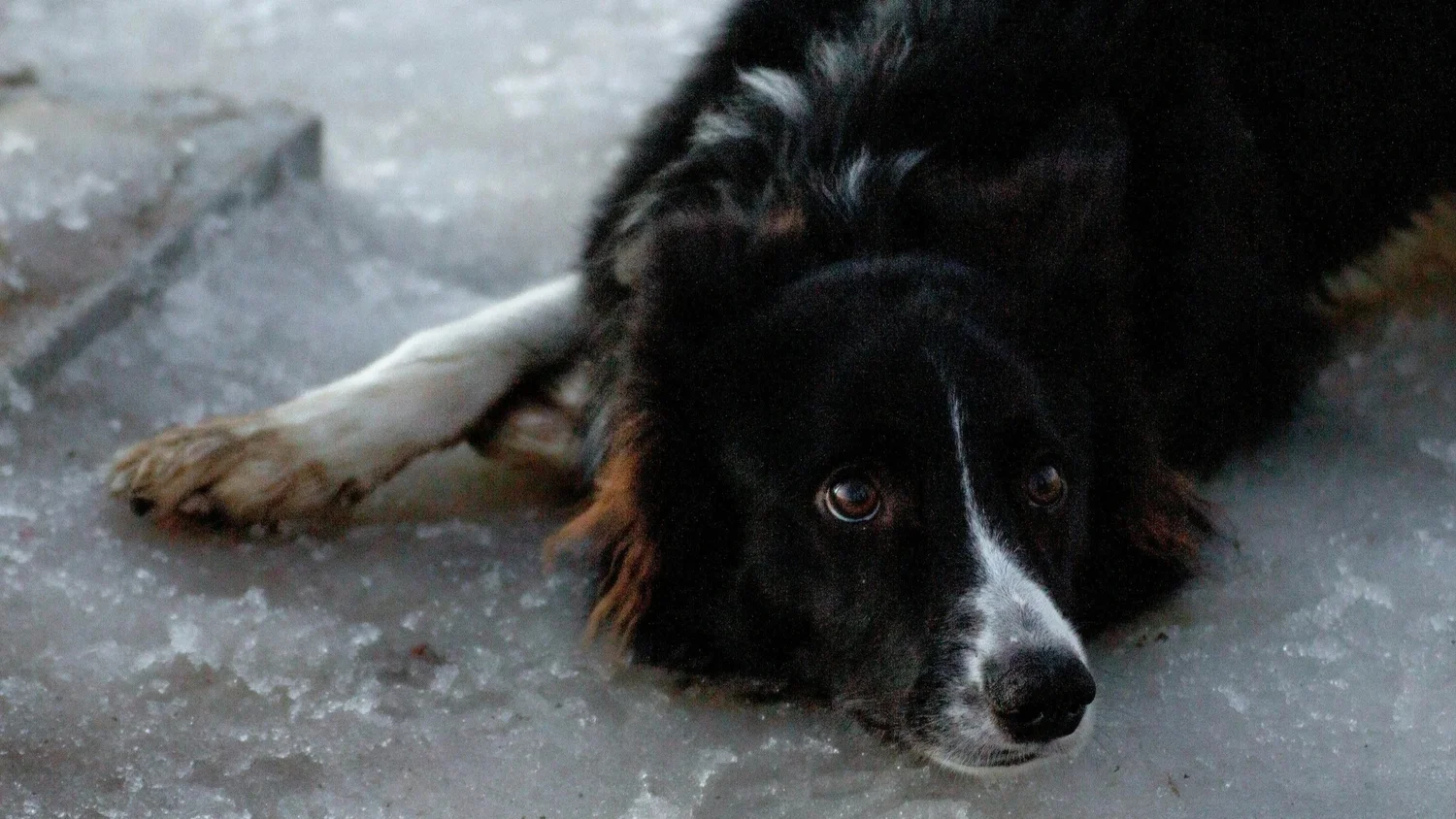
There are also individual and genetic factors at play. Herding breeds (like Border Collies, Kelpies, and Shepherds) tend to be particularly sensitive. Rescue dogs with unknown histories may carry anxiety from past trauma. And dogs who already live with separation anxiety are significantly more likely to develop storm phobia too.
An important point: Thunderstorm anxiety tends to worsen over time without intervention. Each storm can reinforce the fear response, making the next one worse. Early support makes a real difference.
Signs of Thunderstorm Anxiety in Dogs
Storm anxiety can look different from dog to dog. Some are visibly panicked; others show subtler signs that are easy to miss. Here are the key things to watch for:
One of the most telling signs is when your dog reacts before you've heard the first rumble — already detecting the storm through pressure changes and static charge. By the time the thunder arrives, many dogs are already in a peak panic state.
What You Can Do Right Now (During a Storm)
These strategies won't solve the underlying anxiety, but they can help your dog through acute episodes while you work on a longer-term plan.
- 1Let them choose their safe space
Don't force your dog to stay in a room they're trying to leave. If they want the bathroom, the wardrobe, or under the bed — let them go. Set this up in advance with their bedding and a worn item of your clothing.
- 2Stay calm yourself
Your dog reads your emotional state constantly. A calm, matter-of-fact presence is more reassuring than hovering or excessive soothing.
- 3It's okay to comfort them
An old myth says you shouldn't comfort a scared dog because it "rewards" the fear. This isn't how fear works. Comfort doesn't reinforce phobia — and leaving a panicking dog alone can actually make things worse.
- 4Close curtains and muffle the sound
Reducing visual input (lightning flashes) and dampening the noise lowers the sensory load. White noise, a fan, or low-volume TV can help reduce the jarring contrast.
- 5Don't leave them home alone during storms
Dogs with storm phobia are at real risk of self-injury when alone — broken teeth from chewing crates, lacerations from broken windows, or escape injuries. Plan around forecast storms where possible.
ACP is a sedative historically prescribed for storm anxiety. Current evidence suggests it doesn't actually reduce anxiety — it simply prevents movement while the dog remains fully conscious and frightened. If your dog has been prescribed ACP for storms, it's worth discussing alternatives with a veterinary behaviour specialist.
Why "Managing in the Moment" Isn't Enough
Thunderstorm anxiety is a genuine phobia — not a training issue and not something your dog will simply grow out of. Without structured intervention, most dogs get progressively worse each storm season. Some develop such intense anxiety that even overcast skies or the distant rumble of a truck triggers a full panic response.
This is where the distinction between a regular dog trainer and a veterinary behaviour consultant becomes critically important. Thunderstorm phobia involves multiple overlapping layers: the behavioural (learned fear responses), the physiological (stress hormones, static sensitivity), and often an underlying anxiety layer — many storm-phobic dogs have generalised anxiety or separation anxiety running alongside.
A trainer can help with the behavioural piece. But only a vet — or a veterinary behaviour consultant — can assess and address all three layers together.
What a Vet-Behaviour Approach Actually Looks Like
At Pet Logic, we treat thunderstorm anxiety as the complex, multi-layered condition it is. Our approach begins with a thorough Initial Behaviour Assessment — understanding your dog's full emotional landscape: their baseline anxiety, history, other triggers, and how the storm phobia fits into the bigger picture.
Behaviour Modification
Systematic desensitisation and counter-conditioning — using recorded storm sounds at very low volumes to gradually change your dog's emotional response. Done carefully, outside of storm season, so you have full control over the process.
Environmental Management
Creating a pre-planned "storm sanctuary," establishing predictable routines for high-risk weather days, and reducing the multi-sensory load of storms as much as possible.
Medication — When It's Right
For moderate-to-severe cases, medication is often not optional — it's what makes behaviour modification actually possible. A dog in a full panic state cannot learn. The right medication, given before the storm hits, brings anxiety to a level where the dog can cope and other strategies have a chance to work. Prescribed and monitored individually, never one-size-fits-all.
Perth's storm season typically peaks between November and March. Starting a behaviour modification programme in autumn — before the season begins — gives you the best chance of meaningful progress before the next round of summer storms.
When to Seek Help: The Honest Answer
If your dog shows any signs of storm anxiety — even mild ones — it's worth addressing now. Mild anxiety can become moderate. Moderate can become severe. And severe thunderstorm phobia is genuinely dangerous: dogs escape, injure themselves, and suffer real chronic stress every storm season.
Seek help sooner rather than later if your dog:
— Has attempted to escape during storms and is at risk of self-injury
— Shows fear responses before the storm is even audible
— Has anxiety that is clearly worsening year on year
— Also struggles with separation anxiety or general fearfulness
— Is not responding to management strategies you've already tried
Ready to Help Your Dog Through Storm Season?
Our Initial Behaviour Assessment gives you a clear picture of what's driving your dog's anxiety — and a personalised, step-by-step plan to address it. Dr. Liam combines veterinary and behavioural expertise so every layer of the problem is covered.
Book a Behaviour Assessment