

Dog Fireworks Anxiety - Perth
Dog Fireworks Anxiety in Perth — What Actually Works
Your dog panics during fireworks and nothing has worked. Learn what a Perth vet behaviourist recommends — from medication to desensitisation — and why over-the-counter calmers often fail.
Every year, Australia Day and New Year's Eve turn into the worst nights of the year for thousands of Perth dog owners. Your dog trembles, pants, hides, tries to escape — and nothing you've tried has made it better.
If that describes your situation, you're not alone. Fireworks anxiety is one of the most common behaviour presentations I see in my Perth clinic, and it's also one of the most frustrating for owners because the standard fixes — over-the-counter calming treats, Thundershirts, Adaptil diffusers — often don't touch it. The anxiety is real, it's severe, and for thousands of Perth dogs, it escalates every single year.
The good news is that we have genuine solutions. They just require understanding why fireworks affect your dog so severely, why most commercial products fail, and what a vet behaviourist can actually do that your regular vet can't. By the end of this guide, you'll know exactly what approach will work for your dog — and why waiting until the night before fireworks is the worst time to act.
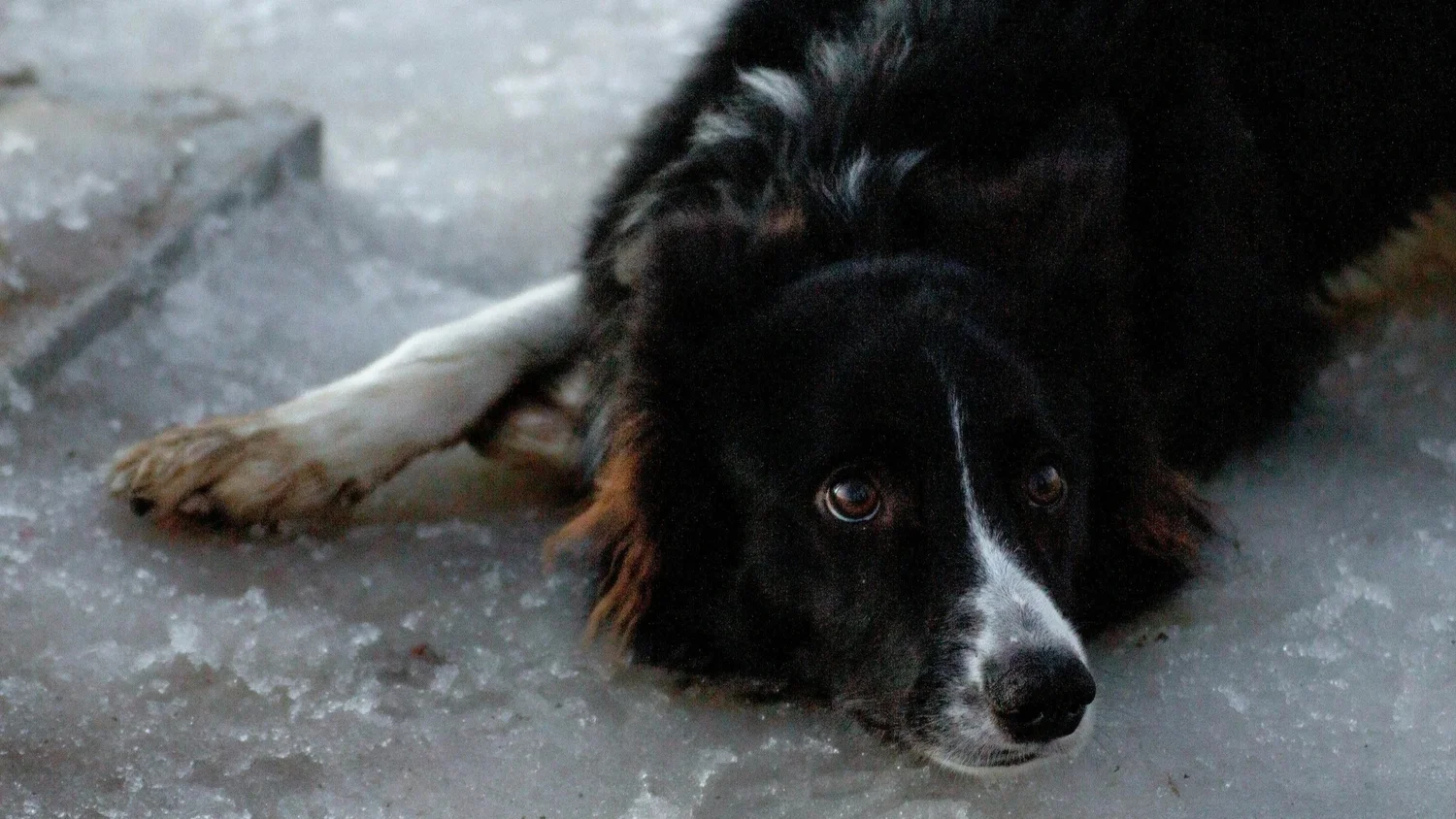
Why Fireworks Affect Dogs So Severely
To understand fireworks anxiety in dogs, you first need to understand why fireworks are uniquely terrifying compared to other loud noises.
A dog's hearing is approximately four times more sensitive than human hearing. That firework that sounds loud to you? To your dog, it's catastrophically loud. But that's only part of the story. What makes fireworks particularly devastating is three things happening simultaneously:
Unpredictability. A dog can't predict when the next bang will happen. Thunderstorms have a pattern — wind, rumbling, then the crash. Your dog's brain learns to anticipate. Fireworks don't follow that rhythm. The uncertainty keeps the nervous system in a constant state of high alert, which creates escalating anxiety rather than adaptation.
Vibration and low-frequency pressure. Fireworks don't just make noise — they create pressure waves that a dog feels in their body. Large explosions register on a dog's skin and bones. This adds a physical component that no treat or shirt can address because the fear is partly sensory and partly visceral.
Fight-or-flight activation without resolution. When a dog hears a firework, their sympathetic nervous system fires. Cortisol and adrenaline flood their system. Your dog's instinct is to fight, flee, or hide — but fireworks keep coming. There's no resolution. The panic continues for hours because the threat never fully passes. Over time, with each year of unmanaged fireworks anxiety, your dog's nervous system becomes increasingly sensitised. They remember. The next fireworks season, their anxiety starts higher. The year after, higher still. This is called sensitisation, and it's a genuine anxiety disorder — not just being afraid.
Research shows that untreated fireworks anxiety doesn't improve on its own. It escalates. Dogs without proper management can develop generalised anxiety that spreads beyond fireworks to thunderstorms, traffic, and eventually everyday sounds. This is why intervention matters urgently.
Why Over-the-Counter Products Usually Fail
Before we talk about what actually works, let's be honest about what doesn't work — and why.
Adaptil diffusers and sprays release a synthetic dog-appeasing pheromone. Studies show they help with mild anxiety. But they don't reduce fear. They work best as a preventative baseline, not as a rescue tool on the night.
Thundershirts and anxiety wraps provide gentle pressure similar to swaddling. Some dogs benefit. But they don't address the underlying panic. A terrified dog wearing a Thundershirt is still terrified — just constrained. They can add to the feeling of being trapped, which escalates panic in some dogs.
Calming treats with melatonin, L-theanine, or passionflower are herbal or supplement-based. They're safe, but they're very mild. Melatonin helps regulate sleep cycles, not fear response. L-theanine is a relaxant, not an anxiolytic. In mild anxiety cases, these can help edge the dial down by 10–15%. In moderate to severe fireworks phobia, they're barely perceptible.
The fundamental problem is this: over-the-counter products are designed for mild-to-moderate stress. They reduce restlessness. They don't stop panic. Your dog with genuine fireworks phobia needs actual anxiolytic medication — drugs that target the amygdala and reduce fear-related processing in the brain. That's not something you can buy at a pet store.
I want to be respectful to these products. In combination with other strategies, they can help. But they're not a solution for severe phobia. Acknowledging that gap is the first step to actually helping your dog.
What a Vet Behaviourist Can Do That Your Regular Vet Can't
Here's where it gets important. There's a massive difference between what a general vet and a veterinary behaviour specialist can offer for fireworks anxiety.
A general vet can prescribe acepromazine. It's been standard for decades. What you need to know about acepromazine is this: it sedates your dog. It makes them physically unable to move or express fear. But research clearly shows it does not reduce the dog's experience of fear. The dog is still terrified. They're just chemically paralysed.
A vet behaviourist works differently. We have access to targeted anxiolytics — medications that actually reduce fear processing in the brain. Trazodone is a common choice. It's an antidepressant that modulates serotonin and has strong anxiolytic properties. Sileo (dexmedetomidine oromucosal gel) is specifically designed for noise phobia — you give it to your dog 30–60 minutes before expected fireworks, and it reduces anxiety without heavy sedation. There are also event-specific protocols combining medication with behaviour modification.
More importantly, a vet behaviourist combines medication with a structured desensitisation programme. The medication creates a window where your dog's nervous system can learn that loud noises don't require panic. That's where the real fix happens.
| Approach | General Vet | Pet Logic (Vet Behaviourist) |
|---|---|---|
| Can prescribe medication | ✓ Yes | ✓ Yes |
| Targeted anxiety medication (Trazodone, Sileo) | ✗ Rarely | ✓ Yes |
| Desensitisation & counterconditioning programme | ✗ No | ✓ Yes |
| Behaviour-specific assessment & diagnosis | ✗ No | ✓ Yes |
| Event-specific protocols | ✗ No | ✓ Yes |
| Ongoing behaviour modification support | ✗ No | ✓ Yes |
Acepromazine — still commonly prescribed for noise phobia — sedates your dog without reducing anxiety. Research shows the dog experiences the same level of fear but physically cannot respond. This is not a humane solution for genuine noise phobia.
The Long-Term Fix — Desensitisation and Counterconditioning
Medication is essential for severe cases, but it's not the permanent fix. Desensitisation and counterconditioning is.
Here's how it works: we start with recorded fireworks noise at a very low volume — barely audible. Low enough that your dog doesn't show anxiety. When they hear this sub-threshold noise, we pair it with something absolutely positive: a high-value treat, play, affection, or whatever your dog loves most. Your dog's brain begins to form a new association: quiet fireworks noise = good things happen.
Over weeks and months, we gradually increase the volume in tiny increments. Each step is paced so your dog stays below their anxiety threshold. This is critical. If we jump too fast, we reverse progress. If we go slow enough, your dog's nervous system slowly rewires. Loud noise stops triggering panic and starts triggering anticipation of reward.
This takes time. It's not something that happens in a week. But it's permanent. Once your dog's brain has learned that fireworks don't require fear, that learning sticks. You're not managing the anxiety forever — you're actually resolving it.
When to Book — Don't Wait for the Next Event
This is the most important practical point in this entire guide: the best time to start treatment is months before fireworks season, not the night of.
If you're reading this in June, July, or August, book now. Your next major fireworks event is months away. That timeline gives us time to assess, medicate if needed, and run desensitisation progressions. You'll actually see improvement by the time New Year's Eve arrives.
If you're reading this during or immediately after a fireworks event, it might feel urgent, but don't panic. Booking now is the right move — it prevents next season from being worse. Each year you intervene early, the baseline anxiety reduces. Year one might still be difficult. Year two is noticeably better. Year three, many dogs show minimal or no anxiety.
But waiting until December 30th? That's too late. You can't build a behaviour programme in 48 hours. What you can do is medication to get your dog through the immediate event more comfortably, then commit to a proper programme before the following year.
Frequently Asked Questions About Fireworks Anxiety
Don't Wait for the Next Bang
Fireworks anxiety doesn't improve on its own. The best time to act is now — months before the next event. Book a behaviour assessment at Pet Logic and get a clear, evidence-based plan for your dog.
Book an Assessment