

Puppy Socialisation Perth — Building Confidence | Pet Logic
Puppy Socialisation in Perth — Why It's Not Just About Meeting Other Dogs
Structured exposure builds confidence and resilience. Uncontrolled puppy play often creates the opposite. Here's what your puppy actually needs.
Most people think puppy socialisation means taking your puppy to the dog park, letting them meet as many dogs as possible, and hoping for the best. That approach creates more problems than it solves. Socialisation is not about volume of exposure. It's about the quality of experience — and whether your puppy is actually learning to feel safe in the world.
What Socialisation Actually Means
True socialisation is about building your puppy's ability to encounter new things and recover well. It's not a single event or a destination you reach. It's a process of learning that the world is manageable and that they have strategies for coping when something is unfamiliar or mildly challenging.
This includes far more than other dogs. Socialisation encompasses people of different ages and appearances, different surfaces underfoot (concrete, gravel, grass, carpet, slippery floors), new sounds (traffic, loud voices, tools, delivery trucks), being handled by strangers, movement and speed changes, car travel, vet visits, grooming, household routines, being alone briefly, and settling after excitement. Meeting other dogs is one component of this — an important one, but not the whole thing.
The American Animal Behaviour Society's position statement on puppy socialisation identifies the first three months of life as the primary socialisation window. The science is clear: puppies who receive structured, manageable exposure during this period show lower rates of fear-based problems, aggression, and anxiety in adulthood. But the word "structured" is the critical distinction.
A puppy who watches another dog from a distance and chooses to look back at you for reassurance is learning socialisation. A puppy being forced to "say hi" while they're visibly uncomfortable is learning something very different — that the world is unpredictable and they can't trust their own instincts about what feels safe.
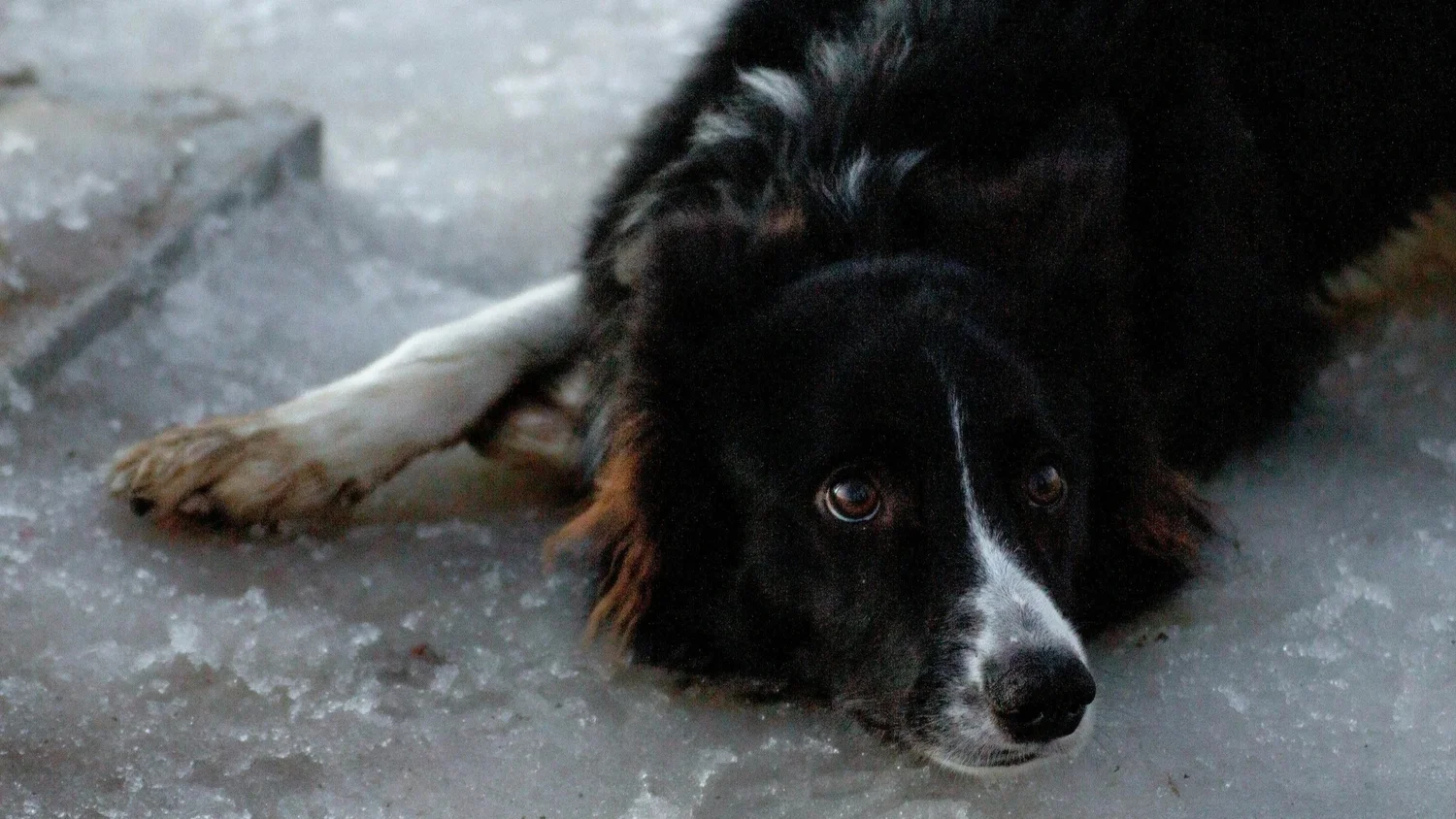
The Problem with "Just Let Them Play"
Unstructured puppy play at dog parks or puppy school settings is one of the most common causes of behavioural problems I see by the time puppies reach 12 months old. Owners arrive with dogs showing leash reactivity, inability to settle, or avoidance behaviour around other dogs — and they're often shocked to learn the foundation was laid at the puppy park.
Here's what happens. An overwhelmed puppy learns that the world is unsafe. Sensitisation, not socialisation. The difference is crucial. Sensitisation is when exposure to something frightening actually increases fear over time, because the puppy has no way to escape or recover. This is the opposite of what you want.
An over-aroused puppy learns that other dogs equal uncontrollable excitement. By 12 months, that becomes the leash-reactive adult dog who lunges at every other dog because they've spent their entire puppyhood learning that seeing another dog is the most exciting, activating thing that can happen. The owner thinks they're "socialised." In reality, they've been classically conditioned to find other dogs dysregulating.
Puppies who are bullied or overwhelmed in group settings learn to be defensive or shut down. They develop avoidance behaviour. They hide behind their owner's legs or refuse to engage. Owners then often push them harder — "be brave," "say hi" — which actually reinforces the fear. The puppy learns that being afraid doesn't keep them safe; they're forced into situations anyway.
And here's the part that makes this insidious: owners usually have no idea what's actually happening. They can't read puppy body language yet. They see a puppy playing and think it's all positive. But they might be missing the stress signals, the avoidance, the recovery time their puppy needs between interactions.
| What You See | What Might Actually Be Happening |
|---|---|
| "My puppy is playing!" | Your puppy may be overwhelmed and unable to disengage from the interaction. |
| "My puppy hides behind me" | Your puppy is showing avoidance — they need distance, not encouragement to "be brave." |
| "My puppy loves everyone!" | Uncontrolled excitement towards every dog becomes leash reactivity by 12 months. |
| "My puppy got lots of exposure today" | Exposure without recovery teaches the puppy the world is too much. |
How Confidence Is Actually Built
Real confidence follows a specific pattern: the puppy notices something new, processes it at their own pace, recovers, and then encounters a positive outcome. This loop, repeated over time, builds genuine resilience and confidence. Pushing through fear breaks the loop entirely.
A puppy watching another dog from three metres away, then choosing to look back at you, then deciding whether to approach further — that's building confidence. The puppy is processing, assessing, and maintaining agency in the situation.
A puppy walking carefully over a new surface like gravel, with treats scattered to create positive association, is building confidence. They're investigating at their pace, with incentive to repeat it.
A puppy hearing a new sound at low volume — a car horn from a distance, someone sweeping outside — and continuing to eat, play, or rest is building confidence. They've habituated to the sound and learned it doesn't require their vigilance.
By contrast, a puppy being forced to "say hi" to a stranger while they're trying to back away is not building confidence. It's building learned helplessness — the puppy learns they can't trust their own avoidance signals and that strangers will ignore their boundaries. This often underlies why some dogs develop fear-based aggression later in life.
Body Language Most Puppy Owners Miss
The gap between what owners see and what's actually happening often comes down to body language. Most puppy owners haven't learned to read the subtle stress signals yet. By the time they realise something was wrong, the pattern has been reinforced weeks or months.
The puppies who end up in my behaviour consulting room at 18 months with fear-based aggression or severe reactivity almost always have the same backstory: "We socialised them heaps as a puppy." The issue was never the amount of socialisation. It was the quality.
What Good Puppy Socialisation Looks Like in Practice
Structured exposure at manageable levels. Puppies learning to observe and recover rather than rush into every interaction. Owners learning to read their puppy in real time and make decisions based on that reading, not a socialisation checklist.
Small group settings work better than large ones because individual puppies can be managed and monitored. Cooperative care exercises — handling, nail care, ear checks, collar holds — make future vet visits and grooming infinitely easier. Settling practice is foundational: puppies learn that calm is part of life, not a failure of training. Homework between sessions ensures the principles are being applied in the puppy's actual environment, not just in a class setting.
This is the approach we use in Pet Logic's Puppy Foundations programme. Five weeks, small groups with a maximum of six puppies, 60-minute sessions. Dr. Liam teaches structured social exposure, confidence building, settling, and cooperative care. Owners learn to read body language in real time. Puppies leave with foundations that actually inoculate against future anxiety and reactivity, not the reverse.
Frequently Asked Questions
Build Confidence, Not Just Exposure
Structured, guided socialisation sets puppies up for calm, resilient adulthood. Puppy Foundations is small-group, behaviour-focused, and starts at 8 weeks.
Learn About Puppy Foundations